Perspectives on digital and web.
BLOGS
Our thoughts on creativity,
digital, and branding.
digital, and branding.
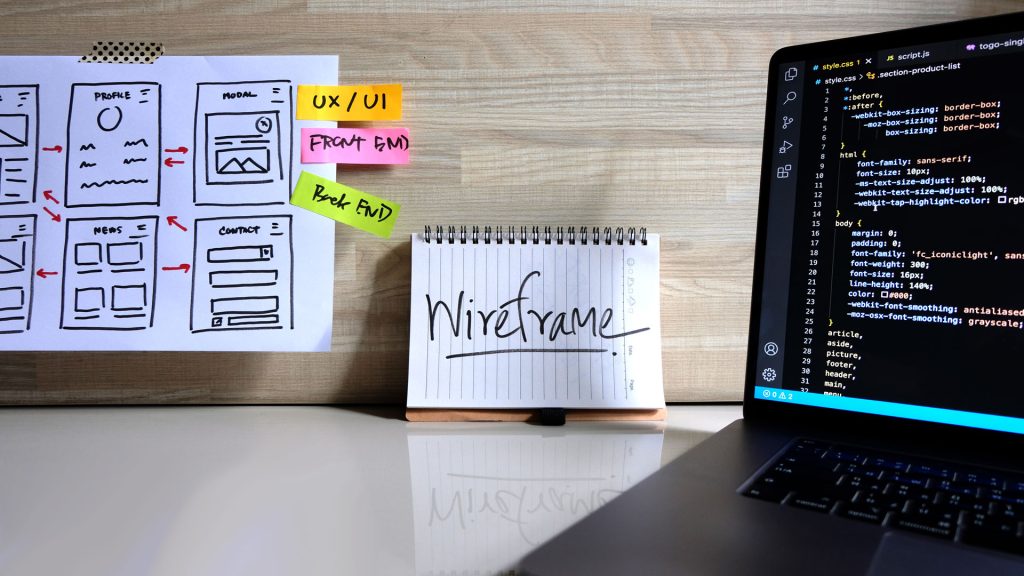
December 26, 2025
What Are the 7 Stages of Web Development
Read more

December 23, 2025
How to Turn Your Website Into a Market Research and Data Collection Tool
Read more

December 18, 2025
Are the Free Website Builders?
Read more

December 18, 2025
How to Showcase Company Culture on Your Website
Read more

December 17, 2025
10 Best eCommerce Platforms for Building Online Stores
Read more

December 12, 2025
Top 10 eCommerce Websites in the World
Read more

December 5, 2025
Why Should You Use WhatsApp for Your Business?
Read more

December 4, 2025
How to Design a Website for Multiple-Location Businesses
Read more
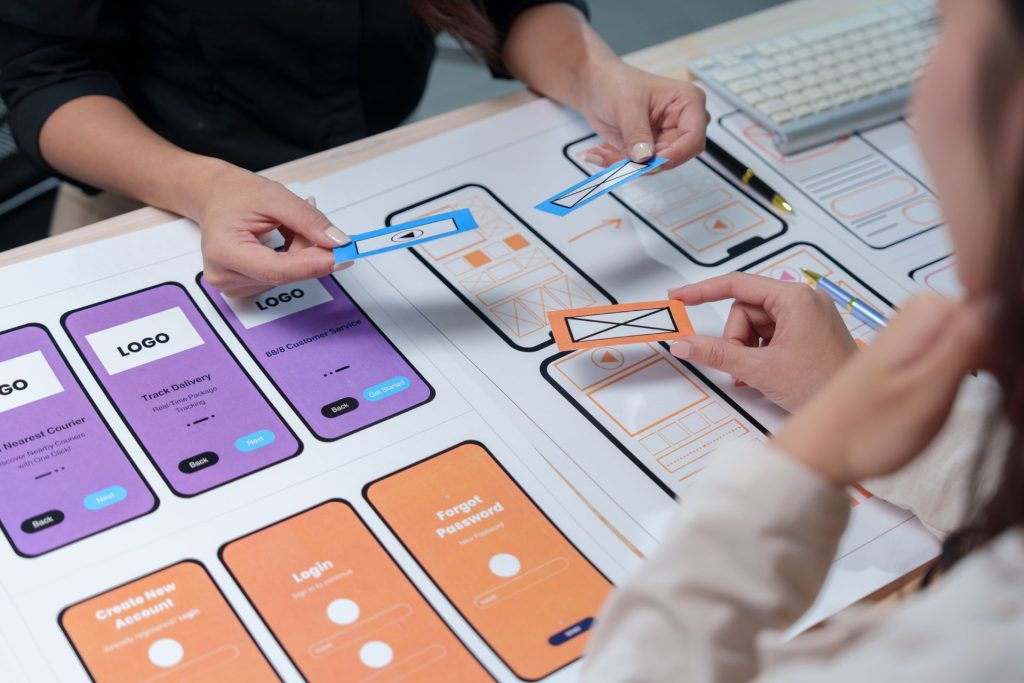
November 21, 2025
9 Easy Steps to Create a Product Roadmap
Read more

November 21, 2025
What Is a Wireframe in UX Design?
Read more
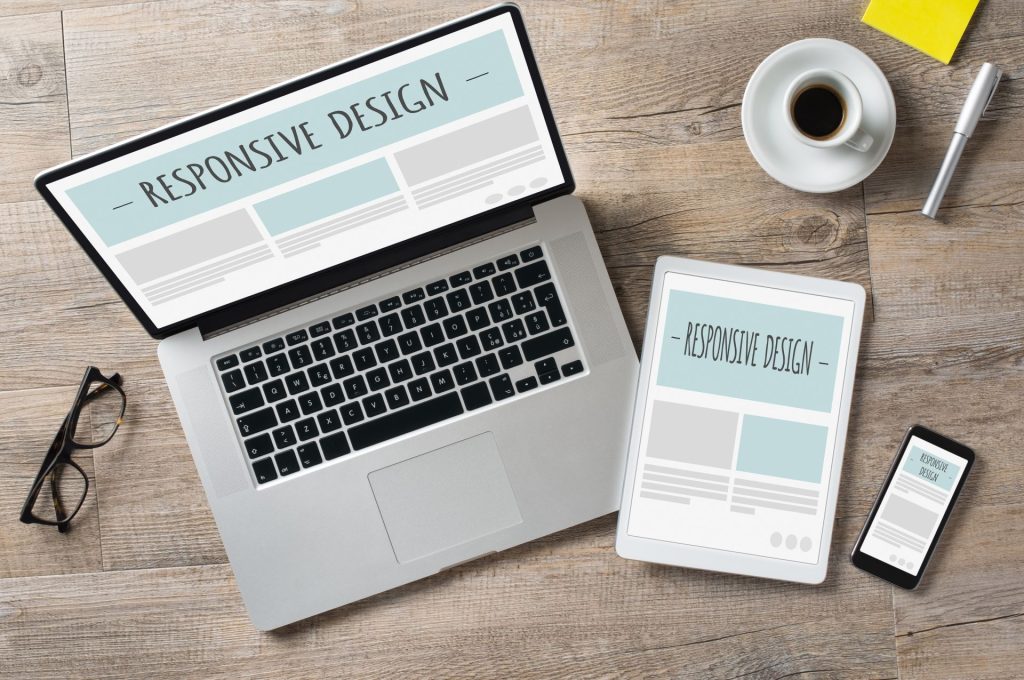
November 21, 2025
How to Rebuild or Redesign Your Website Without Losing SEO Rankings
Read more

November 7, 2025
Brand Rollout Checklist
Read more

November 7, 2025
13 Types of Branding Strategies with Examples
Read more

November 6, 2025
How to Choose a UX Company
Read more
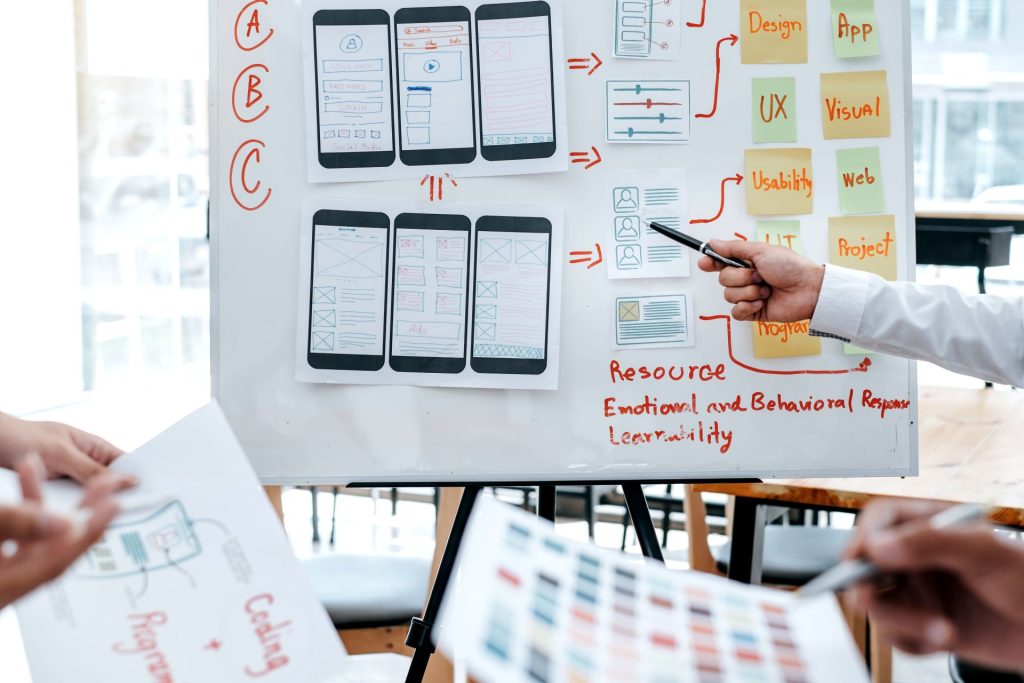
November 6, 2025
What Is A/B Testing in UX?
Read more

November 6, 2025
The Ultimate Guide to UX Task Analysis
Read more

November 6, 2025
5 Stages in the Design Thinking Process
Read more

November 2, 2025
How to Generate More Qualified Leads from Your Website
Read more

October 10, 2025
Micro-Interactions: Small Website Details That Build Trust
Read more

October 9, 2025
In-House vs. Outsourced Software Development: Pros and Cons
Read more
December 26, 2025
What Are the 7 Stages of Web Development
Read more
December 23, 2025
How to Turn Your Website Into a Market Research and Data Collection Tool
Read more
December 18, 2025
Are the Free Website Builders?
Read more
December 18, 2025
How to Showcase Company Culture on Your Website
Read more
December 17, 2025
10 Best eCommerce Platforms for Building Online Stores
Read more
December 12, 2025
Top 10 eCommerce Websites in the World
Read more
December 5, 2025
Why Should You Use WhatsApp for Your Business?
Read more
December 4, 2025
How to Design a Website for Multiple-Location Businesses
Read more
November 21, 2025
9 Easy Steps to Create a Product Roadmap
Read more
November 21, 2025
What Is a Wireframe in UX Design?
Read more
November 21, 2025
How to Rebuild or Redesign Your Website Without Losing SEO Rankings
Read more
November 7, 2025
Brand Rollout Checklist
Read more
November 7, 2025
13 Types of Branding Strategies with Examples
Read more
November 6, 2025
How to Choose a UX Company
Read more
November 6, 2025
What Is A/B Testing in UX?
Read more
November 6, 2025
The Ultimate Guide to UX Task Analysis
Read more
November 6, 2025
5 Stages in the Design Thinking Process
Read more
November 2, 2025
How to Generate More Qualified Leads from Your Website
Read more
October 10, 2025
Micro-Interactions: Small Website Details That Build Trust
Read more
October 9, 2025
In-House vs. Outsourced Software Development: Pros and Cons
Read more